
At our factory, we often see buyers struggle with one simple problem: too many choices, not enough clarity. China offers endless options, but not every supplier fits your needs.
China leads the global glassware industry because it combines scale, cost efficiency, and flexible manufacturing. The best suppliers offer certified products, stable quality, and strong export experience. To choose the right partner, buyers must compare capabilities, certifications, MOQ, and real export performance—not just price.
If you are sourcing glassware in 2026, you are not just buying products—you are building a supply chain. And the difference between a smooth business and constant problems often comes down to one decision: choosing the right manufacturer.
Why Do Global Buyers Choose Glass Manufacturers in China?
At our production base, we have worked with buyers from over 50 countries, and one thing is clear: most of them come to China for the same three reasons—cost, capacity, and flexibility.
China dominates glassware manufacturing because it offers large-scale production, competitive pricing, and strong OEM capabilities. Buyers can access certified products, customize designs, and scale quickly, making China the most efficient sourcing hub for global glassware businesses.
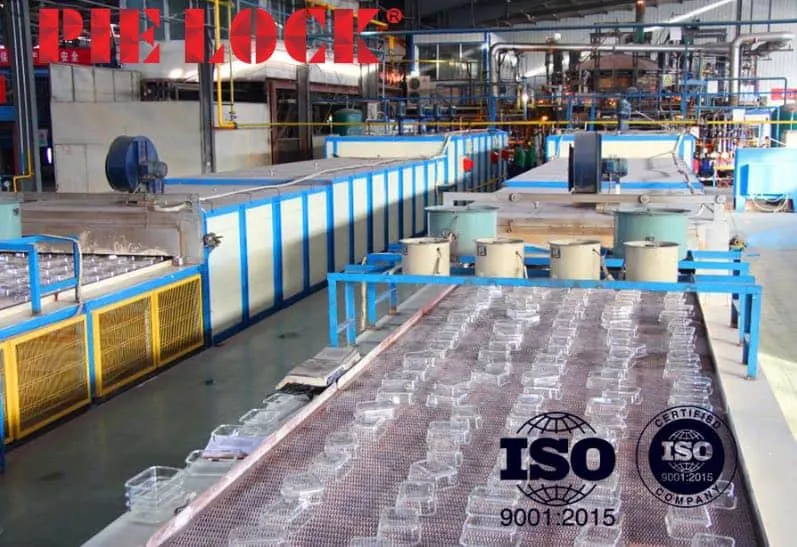
Production Scale and Industrial Clusters
China’s glass industry is not random. It is highly concentrated in regions like major glass manufacturing regions in China 1{#ref-1} such as Shandong, Zhejiang, and Jiangsu. Each area has its own strengths.
| Region | Strength | Typical Products |
|---|---|---|
| Shandong | Large-scale production | Bottles, containers |
| Zhejiang | Household glassware | Storage jars, kitchenware |
| Jiangsu | Eco-friendly glass | Recycled glass products |
| Guangdong | Design & export flexibility | Drinkware, custom glassware |
At our factory, we benefit from this ecosystem every day. Raw materials, molds, packaging, and logistics are all within reach. That shortens lead time and reduces cost.
Cost Advantage Without Compromising Quality
Many buyers assume “cheap” means “low quality.” That is not always true. The cost advantage comes from:
- Efficient labor structure
- Mature global manufacturing supply chain systems 2{#ref-2}
- Automated production lines
We have seen clients reduce procurement costs by 20–30% simply by switching to the right Chinese supplier.
OEM and Customization Capabilities
This is where China really stands out. Most factories support:
- Logo printing
- Custom molds
- Packaging design
- Product bundling
For example, one of our clients started with a simple glass container. Within one year, we helped them develop a full product line with custom lids and branding using OEM manufacturing services 3{#ref-3}.
Which Are the Top 10 China Glassware Manufacturers in 2026?
From our experience working inside the industry, we know that not all “top” suppliers are the same. Each one has a different focus and strength.
The top glassware manufacturers in China vary by specialization. Some focus on large-scale production, others on borosilicate glass, eco-friendly products, or custom OEM solutions. Choosing the right one depends on your product type, order size, and market positioning.

Overview of Leading Manufacturers
Here is a simplified comparison based on real sourcing priorities:
| Manufacturer | Core Strength | MOQ Range | Best For |
|---|---|---|---|
| Shandong Pharmaceutical Glass | Large-scale production | High | Bulk buyers |
| Hebei Crystal Glass | Decorative glass | Medium | Retail brands |
| Zibo Shenglongyuan | borosilicate glass material properties 4{#ref-4} | Low | Amazon sellers |
| Chaozhou Elegant | OEM hospitality glassware | Medium | Hotels & restaurants |
| Jiangsu Eco Glass | Sustainable products | Medium | Eco brands |
| Zhejiang Sunrise | Storage containers | Medium | Supermarkets |
| Shanxi Borosilicate | Heat-resistant glass | Medium | Premium kitchenware |
| Guangzhou Fine Glassware | Custom branding | Low | Private label brands |
| Qingdao Glass Tableware | Mass tableware production | High | Wholesalers |
| Ningbo Household Glassware | Bulk storage solutions | Medium | Catering suppliers |
How We Evaluate These Manufacturers
From our internal sourcing experience, we usually judge suppliers based on:
- Consistency of quality
- Communication speed
- Certification compliance
- Ability to handle problems
For example, a large factory may offer low prices, but slow response times. A smaller factory may offer flexibility but limited capacity.
Real Insight from the Factory Floor
We once worked with a buyer who switched from a large supplier to a mid-sized one. Why? Because they needed faster customization, not just volume.
That is the key lesson:
There is no “best” manufacturer. Only the best fit for your business.
How Can You Choose the Right Glass Manufacturer in China?
At our daily operations, we often guide new buyers through this exact process. Most mistakes happen because people focus only on price.
To choose the right glass manufacturer in China, buyers should evaluate certifications, MOQ, production capability, export experience, and OEM support. A reliable supplier offers stable quality, clear communication, and proven compliance with international standards like FDA and LFGB.
Key Evaluation Factors
Here is a practical checklist we use with our clients:
| Factor | What to Check | Why It Matters |
|---|---|---|
| Certification | FDA food contact compliance standards 5{#ref-5}, LFGB, SGS | Market compliance |
| MOQ | minimum order quantity definition 6{#ref-6} | Budget fit |
| Experience | Export markets | Reliability |
| OEM Capability | Customization options | Brand development |
| Communication | Response speed & clarity | Daily operations |
Certifications Are Non-Negotiable
If you sell in Europe or North America, certifications are critical. Without them, your products may be rejected at customs.
At our factory, we always prepare:
- FDA reports
- LFGB testing
- Material safety data
MOQ vs Flexibility
Small buyers often struggle with high MOQs. That is why flexible suppliers are valuable.
We have supported clients starting from 500 pieces. This helps them test the market before scaling.
Communication Is Often Ignored
This is something many buyers learn the hard way.
A supplier who replies quickly and clearly can save weeks of delay. We always assign dedicated project managers to avoid confusion.
What Challenges Do Buyers Face When Importing from China?
We have seen many buyers succeed—but also many struggle. Most problems are predictable and avoidable.
The main challenges when importing glassware from China include quality inconsistency, shipping delays, and communication gaps. These issues can be managed through inspections, clear agreements, and working with experienced export-oriented suppliers.
Common Problems and Solutions
| Challenge | Cause | Solution |
|---|---|---|
| Quality issues | Lack of inspection | third-party quality inspection services 7{#ref-7} |
| Breakage | Poor packaging | Reinforced cartons |
| Delays | Production or logistics | Buffer time |
| Miscommunication | Language or unclear specs | Clear documentation |
Quality Control Is Critical
We always recommend:
- Pre-production samples
- In-line inspection
- Final random inspection
One client once skipped inspection to save cost. The result? 15% defect rate. That cost far more than inspection.
Packaging Makes a Huge Difference
Glass is fragile. Packaging is not optional.
At our factory, we use:
- Bubble wrap
- Double cartons
- Pallet reinforcement
This reduces breakage significantly during long shipping.
Logistics Planning
Shipping delays happen. That is reality.
The smart approach is to:
- Add 2–3 weeks buffer
- Confirm production timeline early
- Work with reliable international freight forwarding services 8{#ref-8}
What Are the Future Trends in China’s Glassware Industry?
From what we see inside the industry, the market is changing fast. Buyers are no longer focused only on price.
The future of China’s glassware industry is driven by sustainability, borosilicate innovation, and customization. Demand for eco-friendly products and high-performance glass is growing, especially in North America and Europe.
Key Trends to Watch
| Trend | Description | Impact on Buyers |
|---|---|---|
| Eco-friendly glass | recycled glass manufacturing process 9{#ref-9} | Stronger brand value |
| Borosilicate glass | Heat-resistant, durable | Higher product quality |
| Customization | Unique designs & branding | Better differentiation |
| Automation | Smarter production lines | Stable quality |
Sustainability Is No Longer Optional
We see more clients asking for:
- Plastic-free packaging
- Recyclable materials
- Eco certifications
This is especially true in Europe and aligns with global sustainability trends in manufacturing 10{#ref-10}.
Borosilicate Glass Is Growing Fast
Compared to normal glass, borosilicate offers:
- Higher heat resistance
- Better durability
- Safer food storage
That is why it is widely used in modern kitchenware.
Customization as a Competitive Edge
In today’s market, generic products struggle.
Brands want:
- Unique shapes
- Logo identity
- Functional design
We have helped clients turn simple containers into premium branded products.
Conclusion
Choosing the right glassware manufacturer in China is not just about finding a supplier. It is about building a long-term partnership that supports your growth.
From our experience, the best results come when buyers focus on quality, communication, and reliability—not just price. China will remain the global leader in glassware production, but success depends on choosing the right partner.
If you take the time to evaluate suppliers carefully, test samples, and build clear agreements, you can create a stable and scalable supply chain that supports your business for years.
Footnotes
1. Overview of China’s manufacturing regions and industrial clusters. ↩︎
2. Insights into global supply chain efficiency and optimization. ↩︎
3. Explanation of OEM manufacturing and its business applications. ↩︎
4. Technical details about borosilicate glass properties. ↩︎
5. FDA guidelines for food-safe materials and packaging. ↩︎
6. Definition and importance of minimum order quantity in sourcing. ↩︎
7. Role of third-party inspection in quality assurance. ↩︎
8. Explanation of freight forwarding in international logistics. ↩︎
9. Process of recycling glass and sustainability benefits. ↩︎
10. Key sustainability trends shaping modern manufacturing. ↩︎